Vehicle Dynamics International
  • News
    • Braking
    • Chassis
    • Driveline & Transmission
    • Dynamics Software
    • Electronic Dynamic Control
    • Lightweighting
    • OEM News
    • Ride Comfort
    • Simulation
    • Steering
    • Tires and wheels
    • Vehicle Testing
  • Features
  • Online Magazines
    • December 2025
    • May 2025
    • December 2024
    • May 2023
    • December 2023
    • May 2023
    • November 2022
    • Subscribe Free!
  • Videos
  • Supplier Spotlight
  • Jobs
    • Browse Jobs
    • Post a Job – It’s FREE!
    • Manage Jobs (Employers)
  • Events
  • VDI Awards
    • 2025 VDI Awards Winners
    • 2024 VDI Awards Winners
    • 2023 VDI Awards Winners
    • 2022 VDI Awards Winners
    • 2021 VDI Awards Winners
    • 2020 VDI Awards Winners
    • 2019 VDI Awards Winners
    • 2018 VDI Awards Winners
    • 2017 VDI Awards Winners
LinkedIn YouTube X (Twitter)
Subscribe to Magazine SUBSCRIBE TO EMAIL NEWSLETTER MEDIA PACK
LinkedIn
Vehicle Dynamics International
  • News
      • Braking
      • Chassis
      • Driveline & Transmission
      • Dynamics Software
      • Electronic Dynamic Control
      • Lightweighting
      • OEM News
      • Ride Comfort
      • Simulation
      • Steering
      • Tires and wheels
      • Vehicle Testing
  • Features
  • Supplier innovations
  • Online Magazines
    1. December 2025
    2. May 2025
    3. December 2024
    4. May 2024
    5. December 2023
    6. May 2023
    7. November 2022
    8. Subscribe Free!
    Featured
    December 12, 2025

    The December 2025 issue of Vehicle Dynamics International is out!

    Braking By Web Team
    Recent

    The December 2025 issue of Vehicle Dynamics International is out!

    December 12, 2025

    The May issue of Vehicle Dynamics International is out!

    May 29, 2025

    The December 2024 issue of Vehicle Dynamics International is out!

    December 10, 2024
  • Videos
  • Supplier Spotlight
  • Jobs
    • Browse Jobs
    • Post a Job – It’s FREE!
    • Manage Jobs (Employers)
  • Events
  • VDI Awards
    • 2025 VDI Awards Winners
    • 2024 VDI Awards Winners
    • 2023 VDI Awards Winners
    • 2022 VDI Awards Winners
    • 2021 VDI Awards Winners
    • 2020 VDI Awards Winners
    • 2019 VDI Awards winners
    • 2018 VDI Awards Winners
    • 2017 VDI Awards Winners
LinkedIn
Vehicle Dynamics International
Lightweighting

BEVs will be less reliant on lightweighting by 2030

Opinion WritersBy Opinion WritersNovember 24, 20202 Mins Read
Share LinkedIn Twitter Facebook Email
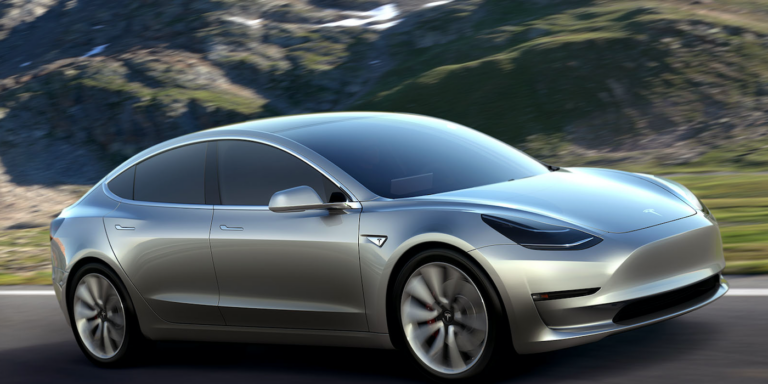
Tesla's Elon Musk is looking at substituting alternative chips into production vehicles and writing new firmware

Battery electric vehicles (BEVs) are poised to be the future of the auto industry. In the past, lightweighting – or purposely designing more lightweight cars specifically for fuel efficiency – has been a key tool for improving the fuel economy of internal combustion engine (ICE) vehicles. However, the transition from ICEs to BEVs changes both the goals and the design considerations around lightweighting. BEVs are overwhelmingly more efficient than ICE vehicles due to regenerative braking and more efficient motors, and are increasingly outgrowing the issue of limited range. Materials companies need to start planning for a fully mature BEV space.

Lux predicts that battery pack energy densities will increase by roughly 15% over the next decade. This increased energy density can be used either to extend the range of a vehicle by keeping battery size the same, or reduce cost by shrinking the size of the battery pack. In its analysis, Lux modelled both scenarios and calculated a lightweighting benchmark. Lux determined that in order for lightweighting to be a cost-effective solution against batteries by 2030, it will need to cost, on average, less than US$5 per kilogram of weight saved.

This benchmark is not the only thing guiding lightweighting decisions. To find adoption, materials companies and manufacturers will need to find solutions that save on both weight and cost. We predict that vehicle structures will be an opportunity for high-strength steel and aluminium, as they provide weight reductions at minimal cost.

Bumpers are expected to benefit from design advancements that utilise glass fibre, carbon fibre, and thermoplastics. Other material priorities, such as sustainability, durability, and end-of-life issues, however, will take priority over lightweighting by 2030. There is far more risk of disruption from improving energy storage technologies – which could substantially outstrip forecast improvements by 2030 – than there is from novel innovations in materials.

Share. Twitter LinkedIn Facebook Email
Previous ArticleVolvo installs “the ultimate driving simulator”
Next Article VI-grade acquires IMTEC Engineering
Opinion Writers

Related Posts

Chassis

Alpine confirms EV platform for next-generation models

March 13, 20262 Mins Read
Braking

Vehicle Dynamics International Awards 2025: the winners

January 22, 202626 Mins Read
Braking

The December 2025 issue of Vehicle Dynamics International is out!

December 12, 20253 Mins Read
Latest Posts

Alpine confirms EV platform for next-generation models

March 13, 2026

Easyrain appoints Roberto Fedeli as strategic advisor

March 13, 2026

UTAC announces high-tech proving ground in China

March 13, 2026
Our Social Channels
  • LinkedIn
Getting in Touch
  • Free Email Newsletters
  • Meet The Editors
  • Contact Us
  • Media Pack
Related Topics
  • Electric & Hybrid Vehicle
  • Industrial Vehicle Technology
FREE NEWS EMAIL!

Get essential industry news from this website direct to your inbox every fortnight


© Copyright 2026 Mark Allen Group. All rights are reserved, including those for text and data mining, AI training, and similar technologies.
  • Cookie Policy
  • Privacy Policy
  • Terms & Conditions

Type above and press Enter to search. Press Esc to cancel.