The Volkswagen Group has set a target of achieving an operating return on sales of between 8% and 10% by 2030, underpinned by an eight-point restructuring programme that encompasses cost reduction, platform consolidation and workforce rightsizing.
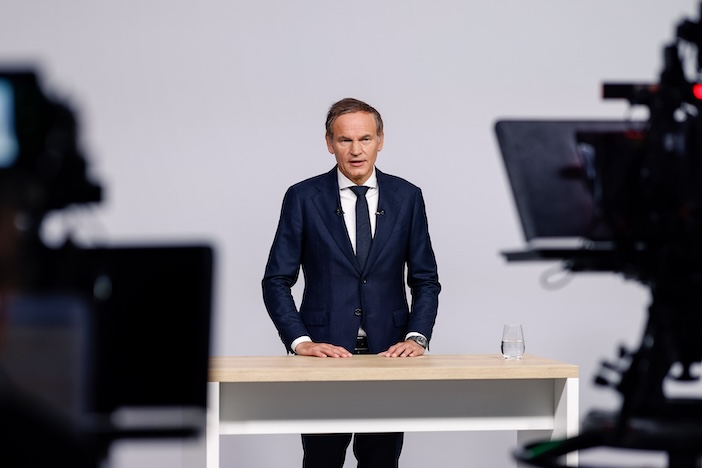
Presenting the plan at the group’s annual general meeting, Oliver Blume, chief executive officer of Volkswagen Group, said the strategy was designed to strengthen the group’s financial resilience in what he described as a radically changed global environment. The plan addresses rising geopolitical tensions, intensified competitive pressure and growing trade barriers.
“We are making the Volkswagen Group even more robust and competitive. To that end, we have mapped out a clear plan for the future, said Blume. “We are positioning ourselves to be even more financially resilient and further improving our future readiness in terms of costs, structure and technology – to counter external influences and growing risks in a world that has radically changed.”
The group’s eight strategic levers centre on reducing model and platform complexity, consolidating electronic architectures, aligning production capacity to market demand, strengthening regional decision-making, streamlining the investment portfolio, improving operational excellence, introducing performance-linked incentives and simplifying group governance.
On the cost side, structured performance programmes across all brands have already delivered savings in the double-digit billion range, according to Volkswagen. Workforce agreements and headcount reductions generated sustainable cost effects of around €1 billion across the group in 2025. The group is targeting annual net cost savings of more than €6 billion by 2030, partly through agreed reductions in technical production capacity. Factory costs at Volkswagen’s German sites were reduced by more than 20% on average in 2025.
The group has confirmed that 50,000 jobs are to be cut across Volkswagen, Audi, Porsche and the software subsidiary CARIAD, of which 35,000 are at Volkswagen AG. Binding agreements covering more than 28,000 departures by 2030 have already been signed.
In parallel with the restructuring, the group reported strong growth in battery-electric vehicle (BEV) sales. Global deliveries of BEVs grew by 32% in 2025, with European growth reaching 66% and a market share of 27%, making Volkswagen Group the leading seller of all-electric vehicles in Europe. Five of the ten best-selling electric models in the market came from group brands.
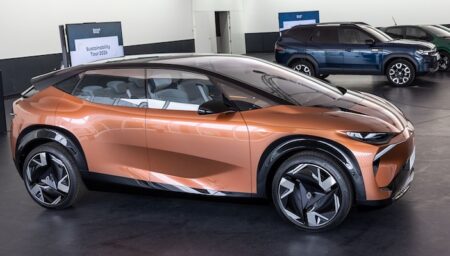
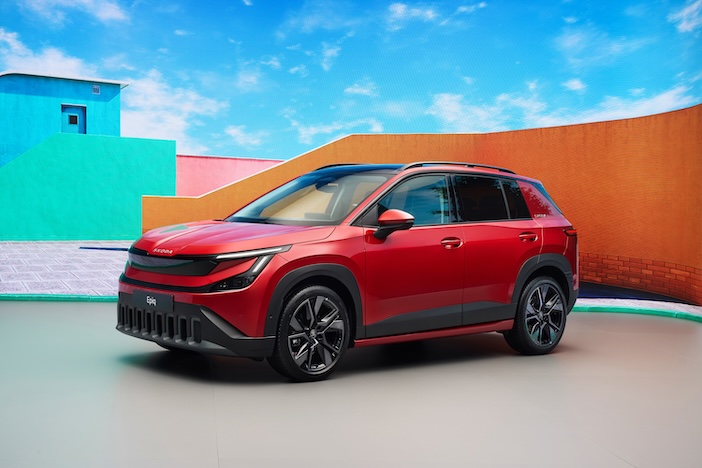
The group launched more than 30 new models in 2025 and plans to add a further 20 this year. Entry-level electric mobility is being addressed through a new urban car family comprising the Volkswagen ID. Polo, Volkswagen ID. Cross, Cupra Raval and Škoda Epiq.
Software and architecture development has also progressed. Building on a cooperation with Xpeng, the group developed its own advanced electrical/electronic architecture and brought it into production in China within 18 months. Development of a zonal software architecture for the western hemisphere, conducted under a joint venture with Rivian, is on schedule.
Battery production is being scaled through the group’s PowerCo subsidiary, which Volkswagen says is the first European manufacturer to develop and produce battery cells on an industrial scale. Production in Germany is being ramped up, with facilities in Spain and Canada to follow.
The group’s net cash flow target for the automotive division is set at more than 60% of the operating result by 2030, with strict cost discipline and targeted investment in future technologies forming the basis for achieving the financial goals.