The VDI Awards recognise excellence across the vehicle sector, from the best-handling new cars, to dynamics innovations, development tools & technologies and test facilities. Following the nominations process, the international judging panel had a tough task deciding the winners.
The judging panel:
Choi Joo-sik, Autocar Korea
Robert Bielecki, Oponeo, Poland
Christophe Congrega, L’Automobile Magazine, France
Carl Cunanan, C!, Philippines
Padraic Deane, managing editor, Automotive Publications, Ireland
Tarcisio Dias de Araujo, Mecânica Online, Brazil
Nikos Kounitis, CAR Greece magazine; Newsauto, Greece
Nicol Louw, Car South Africa
Marco Marelli, freelance, Italy
Frank Markus, Motor Trend, USA
Marc Noordeloos, freelance, USA
Sergio Oliveira de Melo, El Informador, Mexico
Phil Morse, Energy Balance, USA
Tomaz Porekar, Avto Magazin, Slovenia
Alvaro Sauras Alonso, Autofacil and CAR&Tecno, Spain
Mohamad Sheta, Al-Masry Al-Youm Newspaper, Auto Arabia, Middle East Auto News Agency
Gábor Szécsényi, Az Autó and Retro Mobil, Hungary
Oleg Vasilevsky, Auto Bild, Ukraine
Adam Gavine, Vehicle Dynamics International, UK
Hormazd Sorabjee, Autocar India
Jürgen Zöllter, freelance, Germany
Damir Mustafin, founder and CEO, Rusch wheels
Car of the Year
Which new vehicles impressed the panel most with their dynamics setups?
WINNER: Porsche 911 Turbo S
Porsche won the Car of the Year category last year with the 911 Carrera GTS, a landmark car launched in the 911’s 50th anniversary year that debuted T-Hybrid electric exhaust gas turbocharger (eTurbo) technology. The GTS with its single eTurbo is no slouch, but for the new flagship 911, the 992.2, Porsche has paired eTurbos to the 3.6-litre boxer engine, with the turbine and compressor engineered for increased performance and responsiveness. Indeed, with 523 kW (711 PS), the 2025 911 Turbo S is the most powerful production 911 to date, with some 61 PS more than its predecessor.
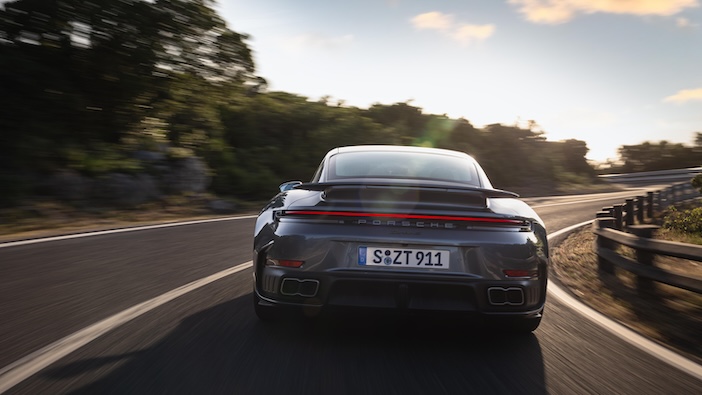
An eight-speed PDK with an integrated electric motor transmits that power to the Porsche Traction Management (PTM) all-wheel drive system, which provides traction for a 0-100 km/h (62 mph) time of 2.5 seconds (0.2 seconds quicker than the 992.1), 0-200 km/h in 8.4 seconds (0.5 seconds quicker), and a top speed of 322 km/h.
Frank Markus, Motor Trend, USA: “Unrivalled precision, feedback, and capability mark this perennial vehicle dynamics benchmark car”
The T-Hybrid powertrain with its high-voltage electrical system and battery system has enabled Porsche’s engineers to equip the Turbo S with electro-hydraulically controlled Porsche Dynamic Chassis Control (ehPDCC) as standard. ehPDCC reduces roll when changing direction and increases agility in corners.
The system works with cross-connected, active coupling rods, in which pressure is built up by oil volume flow depending on the driving situation. The stabilisers generate support forces and keep the vehicle in balance, to aid the driving comfort, stability and agility required for the long-distance comfort and everyday usability expected of the Turbo S.
“The 911 Turbo S is the most complete and versatile form of driving a Porsche 911,” says Frank Moser, vice president of the 911 and 718 model line. “Whether in daily use, on long autobahn journeys or on the racetrack, we have made the new 911 Turbo S even more comfortable, more individual, and significantly faster than its predecessor”
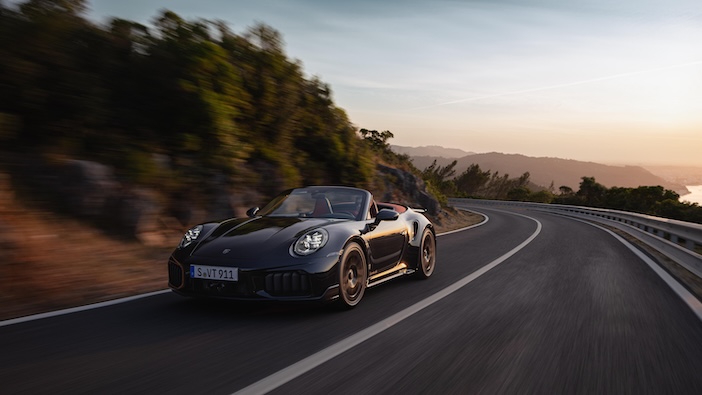
Mohamad Sheta, Auto Arabia: “Porsche always sets the benchmark very high, in each and every segment. But the Porsche 911 Turbo S is playing in a league of its own”
The rear is now fitted with 10 mm wider tyres than the previous model, measuring 325/30 ZR 21, with 255/35 ZR 20s retained at the front. The standard Porsche Ceramic Composite Brake (PCCB) system – the largest PCCB system Porsche has ever installed in a two-door model – is fitted with a new specification of brake pads for higher performance and improved pedal feel. The brake disc diameter on the rear axle has also increased, from 390mm to 410mm, with 420mm discs retained at the front.
Hormazd Sorabjee, Autocar India: “Despite an 85kg weight penalty, the Turbo S is 14 seconds quicker around the Nürburgring than its predecessor – a demonstration of gains in body control, transient response, and traction”
Despite such enhancements, and the additional components of the T-Hybrid system, the new 911 Turbo S weighs just 85 kg more than its predecessor, helped by measures such as the 6.8 kg lighter exhaust system.
“You don’t feel the weight gain,” says Porsche brand ambassador Jörg Bergmeister, who was involved in the development and testing of the Turbo S and set a lap time on the Nürburgring Nordschleife of 7:03.92 minutes – around 14 seconds faster than its predecessor. “On the contrary – the car is much more agile, has more grip and is significantly faster than its predecessor in all relevant sections of the track.”
Tarcisio Dias, Mecânica Online: “The new 911 Turbo S delivers the most significant measurable improvement in dynamic performance among all contenders. Its T-Hybrid system with twin e-turbos, 711 PS output, and 14-second faster Nürburgring lap time demonstrate engineering progress not only in power but in chassis control, PDCC integration, braking capability, and overall dynamic coherence. It is the only vehicle in the list with validated, benchmark-setting performance.”
Runners up
- Abarth 600e
- Polestar 5
- Renault 5
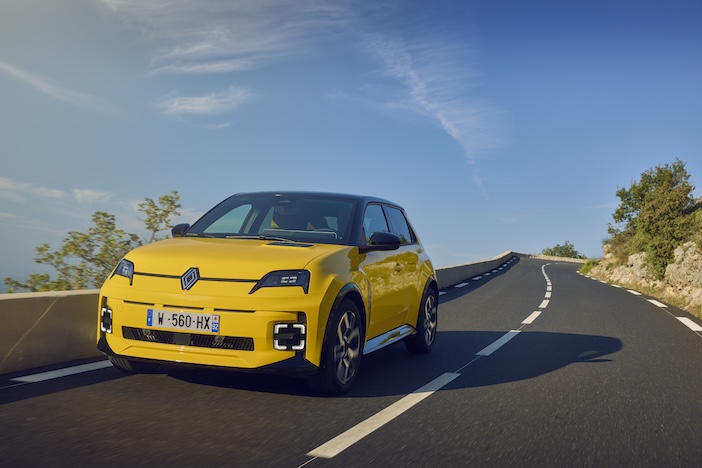
Renault 5
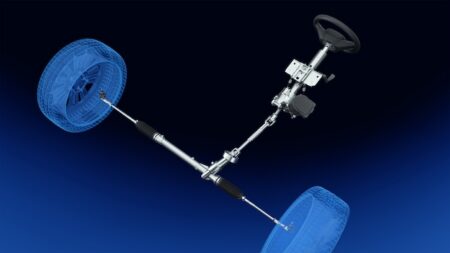
The Renault 5 is the first model to use the new AmpR Small chassis for EVs, which shares parts with the CMF-B platform, such as the front suspension. Renault has opted for a multi-link geometry at the rear, a steering system with a very short gear ratio (13.7) for agility, and damping optimised to absorb the weight of the battery. The 5 also features the new ‘One Box’ system, which groups the braking and ESP functions into a compact module, with the decoupled braking system delivering a consistently strong pedal feel.
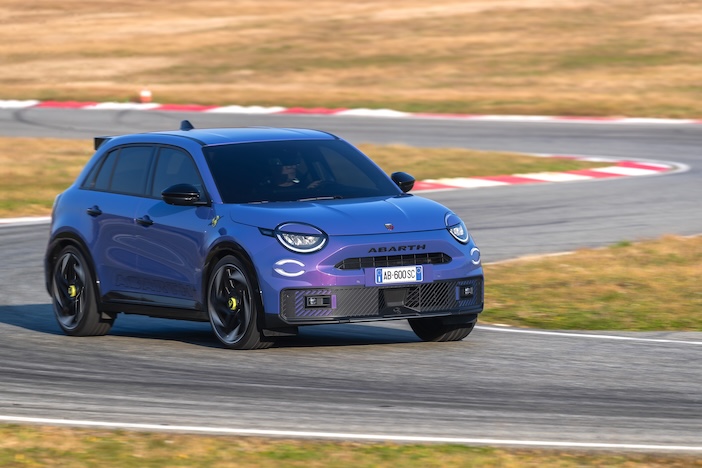
Abarth 600e
The 600e is the most powerful Abarth road car ever produced, with two versions available: the Turismo (240HP, 175kW, 0-62mph in 6.24s), and the Scorpionissima limited edition (280 HP, 207 kW, 0-62 mph in 5.85s). Developed with Stellantis Motorsport, the 600e is based on the Perfo eCMP, a sportier version of the electric Common Modular Platform (eCMP) BEV platform.
The racing experts from Abarth and Stellantis Motorsport increased suspension stiffness and reinforced the chassis with a rear anti-roll bar that changes the anti-roll balance by enhancing the overall rear anti-roll stiffness. The engineering teams also worked with JTEKT to apply a Torsen mechanical LSD, with Alcon for the 380mm racing-spec brakes, and with Michelin for the Pilot Sport EV tyres.
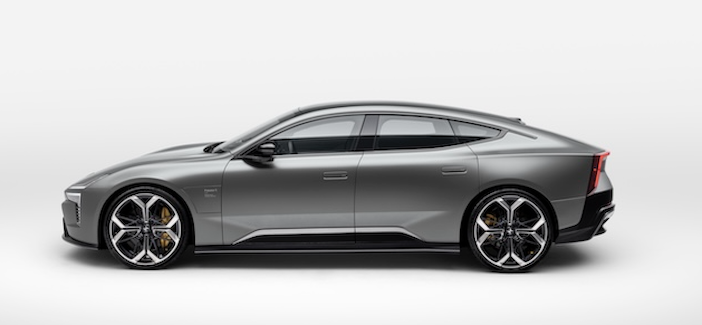
Polestar 5
Underpinning the Polestar 5 grand tourer is a new hot-cured bonded aluminium platform that forms the basis of the Polestar Performance Architecture (PPA). Using high-strength aluminium extrusions, pressings, and castings, the structure is lightweight and rigid, and Polestar says it affords the 5 with higher torsional rigidity than that of a supercar.
The lithium-ion NMC battery from SK On also forms part of the structure. The Polestar team made various performance-focused choices, including fitting a compact front double-wishbone suspension, and placing the steering rack ahead of the front axle.
The Polestar 5 Dual motor model has BWI passive dampers and internal rebound coil springs, while the Polestar 5 Performance version uses BWI MagneRide adaptive magnetorheological dampers.
Innovation of the Year
This category recognises good design and technology in the vehicle itself
Winner: Rimac e-axles
Following recent announcements of major collaborations with global automotive OEMs such as BMW Group, CEER Motors and Porsche, Rimac Technology is continuing to innovate, with the goal of producing cutting-edge automotive technologies at scale.
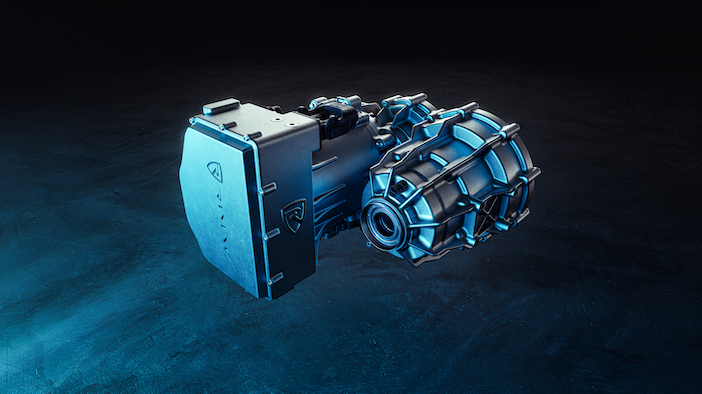
An impressive new development is its new range of next-generation e-axles, the Sinteg 300 and Sinteg 550, which are Single EM ultra-compact, fully integrated e-axles that it says achieve all-new levels of performance, with power density exceeding 8 kW/kg and torque density surpassing 90 Nm/kg – impressive capabilities for series volume applications. The units have a patented ultra-light rotor that can spin up to 25,000rpm, and a novel magnet design delivering high torque and power, all in a package small enough to fit into a carry-on suitcase.
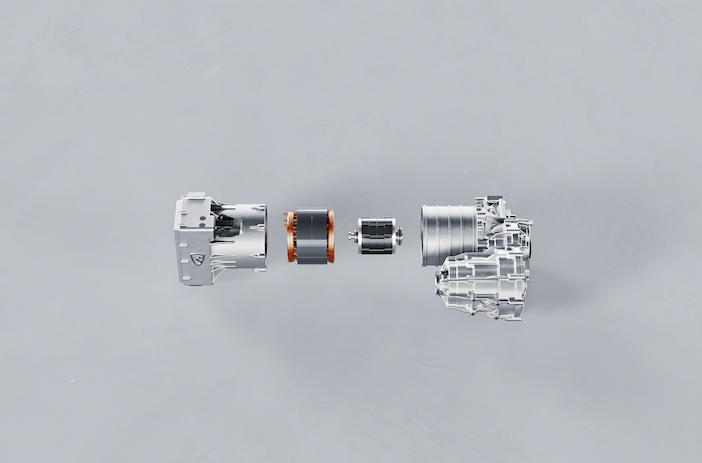
Based on Rimac Technology’s Scalable Powertrain Platform, these CoAxial or Offset configurable variants offer between 150-360kW and 2,500-6,250 Nm, making them suitable for performance-focused vehicles across all segments, from hot hatches and sports coupes, to sedans and SUVs.
Hormazd Sorabjee, Autocar India: “Rimac’s new Sinteg e-axles set a new benchmark for EV propulsion. Their ultra-compact packaging, 25,000rpm capability and readiness for high-volume production give them sector-wide relevance and impact”
Rimac Technology will also be putting its Dual EM EDU 550 eAxle into series production in 2026 for a global OEM. The current validated system has proven >95% peak efficiency and delivers over 11,000 Nm of axle torque. The mid-volume series programme is backed by a robust global supply chain with the highly automated production line slated to come alive at one of Rimac Technology’s production facilities on the outskirts of Zagreb, Croatia.
Tarcisio Dias, Mecânica Online: “Rimac’s next-generation e-axles achieve industry-leading power density (>8 kW/kg) and exceptional torque density (>90 Nm/kg) in a production-ready package. Their scalability, from hot hatches to performance SUVs, gives them the widest potential impact on future vehicle architectures, making them the most transformative innovation in this category.”
Damir Mustafin, CEO, Rusch: “Exceptional torque and power in a compact package. This production-ready technology demonstrates Rimac’s focus on scaling innovative solutions for mass-market adoption.”
Nurdin Pitarević, COO of Rimac Technology stresses that these e-axles aren’t simply concept technologies: they have been developed to be production-ready solutions that will power hundreds of thousands of vehicles in the coming years.
Runners up:
- Bosch Road Alerts
- McLaren: ART
- Hongfa: Suspension
Bosch Road Surface Alerts
Bosch has expanded its connected vehicle services by integrating Road Surface Alerts from NIRA Dynamics, which provide drivers with precise and timely information about road condition factors such as slipperiness, aquaplaning risks, potholes and other sudden road hazards. The alerts are based on anonymised data collected from millions of vehicles.
By continuously analysing the interaction between tyres and road surfaces, the system identifies critical changes in grip and roughness. This information is processed in real time and made available through Bosch’s connected services, giving drivers a more complete picture of the road ahead.

McLaren Automotive: Automated Rapid Tape (ART)
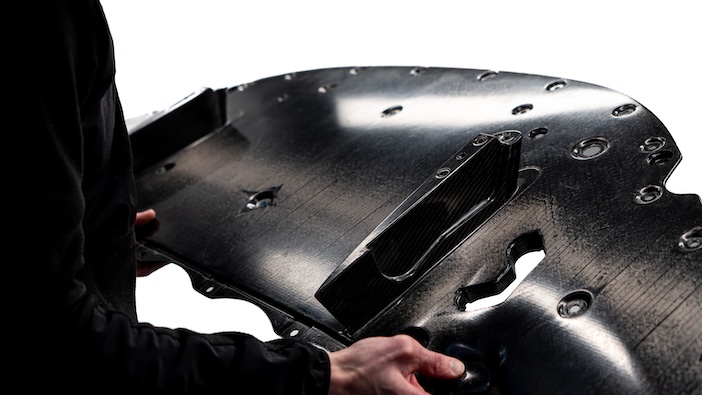
McLaren Automotive has introduced Automated Rapid Tape (ART), the first automotive use of an advanced carbon fibre process from the aerospace sector. While automotive carbon fibre parts are usually made by hand, using pre-impregnated materials, aerospace methods use robotic tape-laying for precision and speed. McLaren has now adapted this robotic process for cars, with the ART machine using a fixed deposition head and a rotating bed to lay dry composite tapes quickly and accurately.
This process enables tailored fibre placement, allowing engineers to adjust fibre orientation for strength where needed and flexibility elsewhere. The result is lighter, stiffer, and stronger components with improved strength-to-weight ratios and less waste. The first McLaren to feature ART carbon fibre is the Ultimate supercar, followed by the W1. McLaren plans to integrate ART into future ultra-lightweight carbon tubs for supercars.
Hongfa: Active suspension
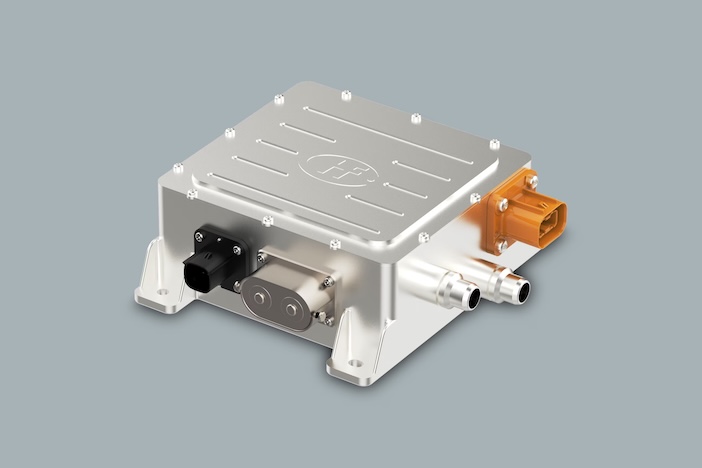
Xiamen Hongfa Electroacoustic (Hongfa) has designed the industry’s highest performance and smallest active suspension power system, with a goal to make this comfort technology, usually associated with high-end models, available to more mid-range vehicles.
The key to the design is its balance of system size, weight and transient performance, against the requirement for higher efficiency, improved EMI, and symmetrical regenerative power capacity. A fixed-ratio 800V-48V, DC-DC converter power module sits alongside a network of sensors, electromechanical actuators and software to adjust vehicle suspension in real time.
The active suspension system is almost half the size of the nearest competitor, with the industry’s fastest power conversion transient response. The system weighs 2.6 kg and measures 197 mm x 201 mm x 71 mm.
Development Tool of the Year
Developing a great dynamic setup requires great tools. This category rewards the latest tools that help vehicle dynamics engineers evaluate their designs and setups to achieve automotive excellence.
Winner: ZF CubiX Tuner
Optimising the dynamics of a chassis involves the precise coordination of multiple actuators, such as brakes, steering, damping systems and drive, which involves several thousand parameters. Thus a chassis must be calibrated, including every single actuator in every possible position that is used for control interventions, before a vehicle can be put on the road. In this interplay, all influencing forces and variables must be considered, tested and verified.
ZF has worked to enable such coordination with its CubiX software, and has now expanded the capability of the package to support the complex calibration of individual actuators. A new tool in the software, named CubiX Tuner, is designed to automatically calculate the interdependencies between actuators.
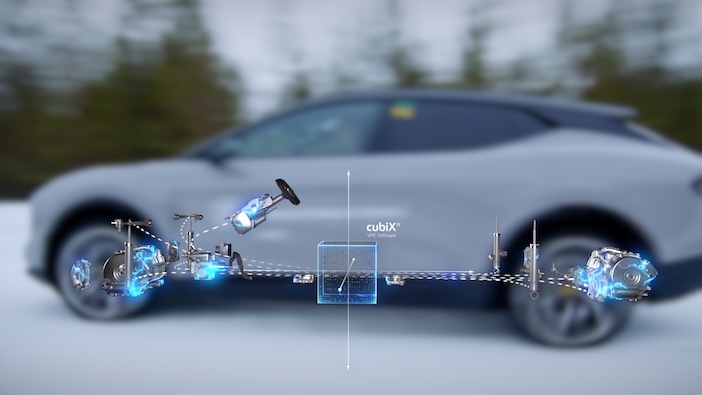
“For a long time, a car’s character was defined primarily by its engine,” states André Engelke, head of vehicle motion control systems at ZF. “That’s changing in the age of electrification. Where once a combustion engine rumbled under the hood, an electric motor now often hums quietly. In other words, bringing brand DNA to life is increasingly becoming the responsibility of the chassis.”
“Our customers can adjust chassis parameters at the vehicle dynamics level without having to dive all the way down to the algorithmic level,” added Engelke, adding that data and AI-driven methods can automatically adapt the complex interdependencies of dynamic functions during calibration.
For example, says ZF, an ECU can now be configured with the manufacturer’s ‘brand DNA’ in just a few clicks, saving time, costs and effort when developing new vehicle models.
Frank Markus, Motor Trend, USA: “The CubiX Tuner automates actuator interaction tuning while slashing calibration effort and the time spent on physical testing at proving grounds”
The CubiX Tuner is available in a full PC version controlled via PC, and a ‘Lite’ version that allows parameter adjustments to be made in the vehicle using a mobile app. If a test driver notes during a test drive that the maximum steering angle during cornering needs adjusting, they can do it with just a few clicks.
The cubiX Tuner then automatically calculates which additional parameters it needs to adjust, and how. This is done through an intuitive interface that automatically generates a ‘tuning map’ for the vehicle based on the OEM’s inputs, and writes it directly to the ECU. The tool can calibrate ZF actuators, and also components from other manufacturers. An ‘Expert Mode’ makes it possible to dive even deeper into fine-tuning the chassis setup.
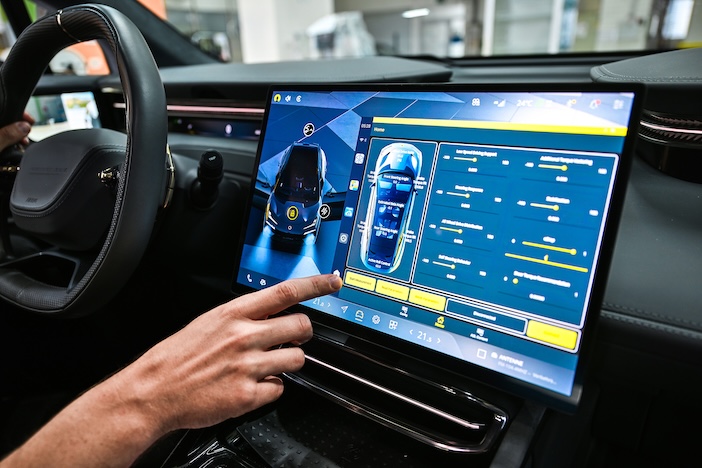
The CubiX Tuner leverages the advantages of the software-defined vehicle to simplify and accelerate the calibration process – especially for platforms delivered with multiple drive configurations such as front-, rear- or all-wheel drive. With the algorithms handling the identification of core parameters, engineers can spend their time fine-tuning the vehicle’s dynamics with precision, allowing application maturity to be reached earlier.
Tarcisio Dias, Mecânica Online: “CubiX Tuner significantly reduces development time by automatically coordinating the behaviour of multiple chassis actuators, allowing engineers to implement brand-specific driving signatures with minimal effort. This tool transforms the workflow of modern chassis development more directly than any other contender.”
The CubiX Tuner also allows OEMs to first test their calibrations in a virtual simulation before the parameters are written to the ECU and applied to the chassis. “This greatly simplifies before-and-after comparisons, as the car no longer needs to be tested on the track for every single parameter change,” added Engelke.
Runners up:
- Kistler: KiDAQ
- KTL Te.Sense Bloom
- Ascential: Steerable dyno
- MB Dynamics: Omega 1050
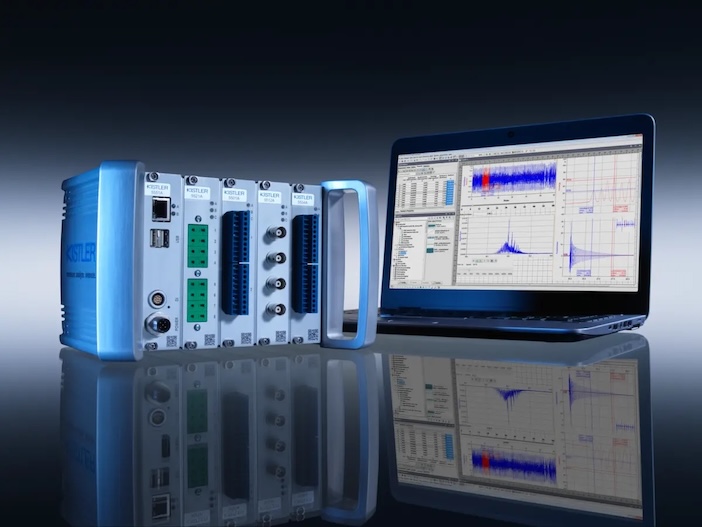
Kistler: KiDAQ
Kistler’s KiDAQ universal data acquisition system has been expanded to include additional modules for vehicle applications. The KiDAQ controllers in the 5552A series have four CAN or CAN FD interfaces, making them suitable for data acquisition in vehicle testing. The modular architecture enables users to flexibly adapt test setups for vehicle dynamics testing, long-term load studies, or other applications.
A typical setup for vehicle durability testing can include different sensors for recording force, acceleration, positions and temperatures – for example, wheel-force transducers, piezo force sensors, accelerometers, potentiometers, and thermocouples. All these sensors, supplemented by customer-specific solutions or third-party products, can be seamlessly connected to the KiDAQ universal data acquisition system.
Koala Technologies: Te.Sense Bloom
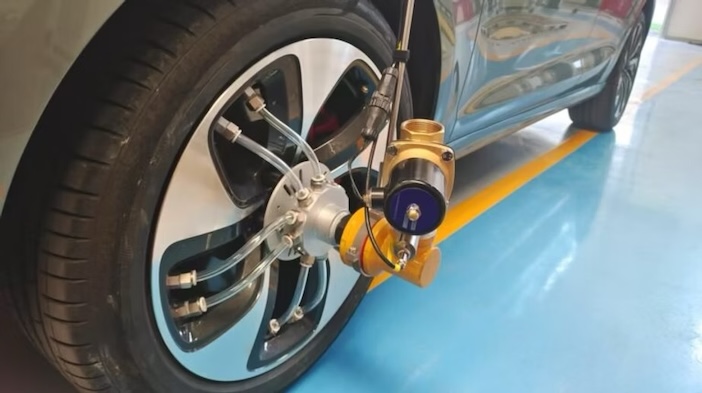
Koala Technologies LLC (KTL) has developed Te.Sense Bloom, a non-destructive rapid tyre deflation testing tool that is reusable, and allows passenger car OEMs and tyre manufacturers to optimise test programmes while reducing waste.
Rapid tyre deflation tests (such as with FMVSS 110) often involve driving a vehicle over roadway cleats. The roadway cleats typically destroy multiple tyres on a vehicle, even when only one tyre requires testing. This wasteful double-puncture effect not only destroys more tyres than needed, but may also corrupt certain vehicle dynamics tests that call for a single, targeted tyre failure.
The Te.Sense Bloom device allows controlled, rapid deflation of individually selected tyres, using a controllable central air ejector valve with a volume and flow capacity that simulates a sudden tyre pressure-loss event.
Ascential Technologies: Steerable dyno
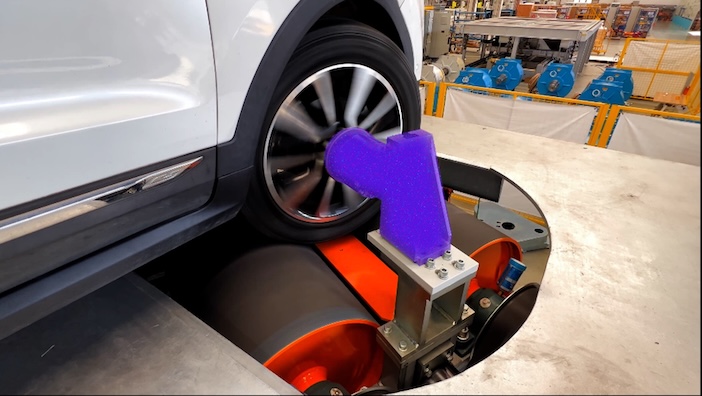
With its full-range steering function, the steerable dynamometer enables precise, real-time simulation of vehicle motion and positioning for scenarios such as straight-line driving/cruising, acceleration/deceleration, s-curve navigation, dynamic braking and lane changes, parallel parking manoeuvres, and road-load simulation.
The dyno is also equipped with torque-vectoring software and includes an interface to Simcenter Prescan software for autonomous driving simulation.During operation, the dyno combines two interfaces: one for scenario simulation system and another for intelligent connectivity.
It is designed to test the functions, sensors, actuators and controller hardware and software of autonomous vehicles. This facilitates quick, repeatable validation of a vehicle’s autonomous driving capabilities – a process currently performed primarily on proving grounds.
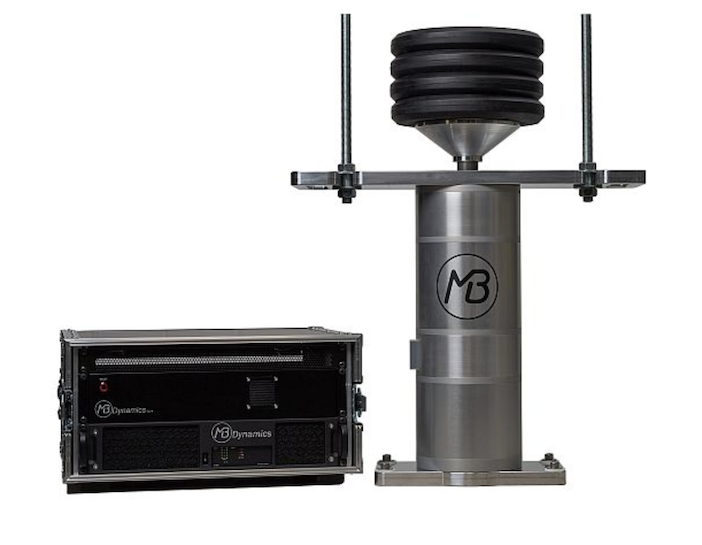
MB Dynamics: Omega 1050 lightweight shaker
This portable and lightweight modal and inertial shaker for vibration analysis delivers a sine peak excitation force of 1,000N and a 50mm peak-to-peak displacement. The Omega 1050 can handle vertical payloads of up to 150kg and operates across a wide frequency range, from DC to 500Hz, delivering consistent performance even under challenging loads.
Its sturdy construction includes plain bearings that tolerate high lateral forces, enabling it to function reliably in both vertical and horizontal setups. The shaker also features integrated pneumatic load support, along with temperature and laser displacement sensors.
Simulation Tool of the Year
With so many new innovations in the vehicle development sector, we felt it was worth creating a new category for simulation tools. Announcing the winner of the inaugural Simulation Tool of the Year award…
Winner: VI-grade: HexaRev DiL simulator
VI-grade was a runner-up in the 2024 VDI Awards with its DiM FSS full-spectrum simulator, but this year it has won the category with a new technology. The HexaRev Driver-in-the-Loop (DiL) motion platform is the latest development in VI-grade’s Full Spectrum Simulator (FSS) product range, with a new mechanical architecture and direct-drive design for high fidelity, system responsiveness, and motion efficiency.
These features combine to make it the most advanced 6-degree-of-freedom (6-DoF) simulator developed by VI-grade to date, and it is suitable for applications including vehicle dynamics and ride comfort development, and NVH, ADAS and HMI evaluation.
Hormazd Sorabjee, Autocar India:. “A major leap in Driver-in-the-Loop technology. The new mechanical architecture and expanded usable motion envelope meaningfully improve high-dynamics scenario testing. For dynamics, ADAS, HMI and ride work, HexaRev delivers the broadest and deepest impact”
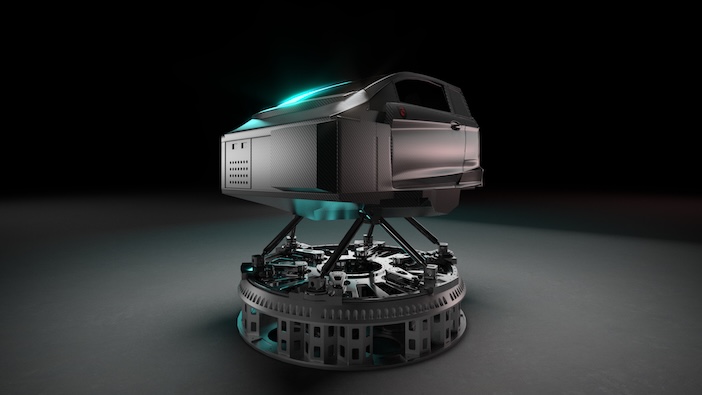
The 6-DoF platform is designed to overcome the limitations of some hexapod-based motion systems. While some conventional designs can have a restricted motion envelope during multi-axis input, HexaRev has been designed to overcome this with a new mechanical and kinematic concept that dramatically expands usable motion during complex, combined manoeuvres.
This capability enables development teams to evaluate vehicle behaviour in highly dynamic scenarios, such as braking while cornering or acceleration through a chicane, with greater realism and accuracy.
Damir Mustafin, CEO, Rusch: “The HexaRev DiL motion platform overcomes the limitations of conventional hexapod systems with an expanded motion envelope for complex multi-axis manoeuvres”
HexaRev also has 7-DoF high-frequency tactile feedback at key driver touchpoints, to replicate road texture, engine behaviour, and chassis harmonics.
Tarcisio Dias, Mecânica Online: “HexaRev delivers the most advanced 6-DoF motion platform currently available, overcoming traditional hexapod motion limitations and enabling high-fidelity, combined-axis dynamic manoeuvres. It offers the widest impact across vehicle dynamics, ride comfort, NVH, ADAS and HMI development, making it the most influential tool in this category.”
The platform has a direct-drive architecture with no belts, gears or ball screws, resulting in low latency and virtually zero mechanical noise or parasitic vibration. This mechanical simplicity also increases reliability and minimises maintenance.
“The launch of HexaRev marks a major step forward in simulation realism,” says Dave Bogema, senior director of product management at VI-grade. “With its innovative mechanical simplicity and unmatched motion performance, HexaRev delivers a whole new level of immersion for vehicle development teams around the world. It’s not just a motion platform, it’s the new benchmark for Driver-in-the-Loop simulation.”
Runners up:
- IPG CarMaker V14.0
- VI-grade: AutoHawk Extreme
- Ansible Motion: Theta Cube
- Siemens / rFpro: Interface shaker
IPG Automotive: CarMaker version 14.0
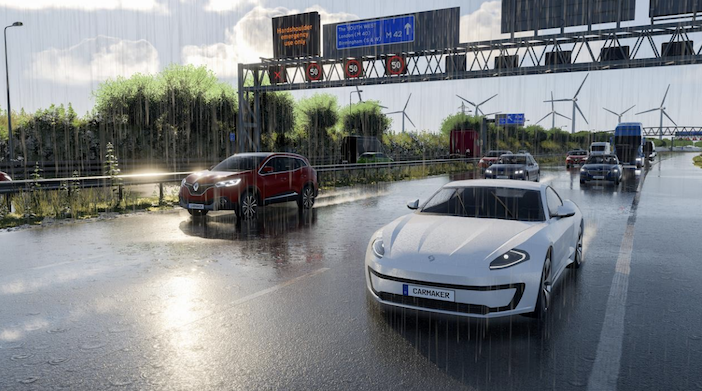
Version 14.0 of IPG Automotive’s CarMaker simulation software has new features centred around versatile sensor models, more realistic simulation environments, and new applications for heavy-duty vehicles. The CarMaker product family enables extensive testing to be conducted mostly virtually, saving time and costs.
The development of ADAS & AV systems in particular presents challenges for automotive manufacturers and suppliers, which the 14.0 release is designed to address, through features including flexible control of autonomous vehicle traffic and pedestrians.
VI-grade: AutoHawk Extreme
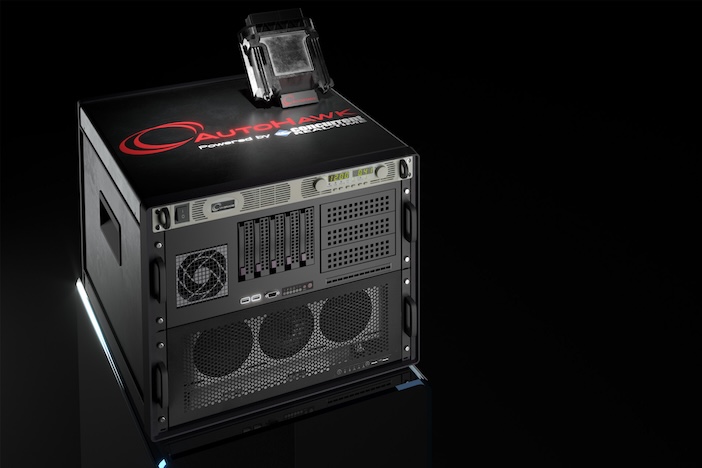
VI-grade was also in the running with AutoHawk Extreme, the highest performance configuration of its XiL simulation platform. Designed for real-time detailed multibody simulations, AutoHawk Extreme is powered by Concurrent Real-Time technology to deliver high speed and efficiency while maintaining a quiet, liquid-cooled design that allows easy integration into office environments.
AutoHawk Extreme suitable for high-fidelity, real-time vehicle dynamics and multi-body simulations, delivering computational power through overclocked CPUs and high-speed memory for computing-heavy, low-latency applications.
Ansible Motion: Theta Cube Sport simulator
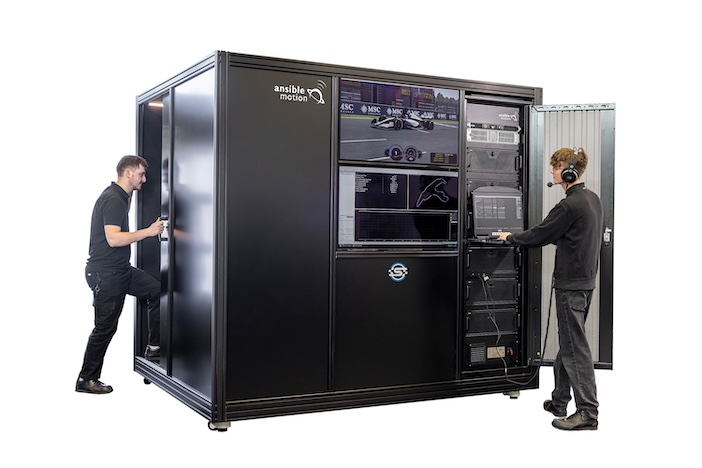
The Theta Cube Sport is a reimagining of Ansible Motion’s Theta Cube DIL simulator, delivering a transportable, 2.5m3 self-contained virtual test-driving system claimed to offer the same level of realism as a large, permanently installed system.
Within the ‘cube’ environment, designed for motorsports applications, is a multi-projection vision system, offering a 180-degree horizontal screen wrap, 1.2-metre image height and 2,900 lumens brightness, for visual immersion without content buffering or delay. The simulator integrates feedback and immersion systems, including a reconfigurable race car cockpit and dashboard environment, including an adjustable racing seat, pedals and multi-function steering wheel.
Siemens and rFpro: Tyre-road simulation interface
rFpro and Siemens have jointly developed an interface that integrates Siemens’ Simcenter Tire MF-Tyre and MF-Swift tyre models with rFpro’s TerrainServer, a software that provides a millimetre-accurate digital model of the road surface.
The interface is designed to allow the tyre models in Simcenter Tire to directly interrogate rFpro’s TerrainServer surface data and then calculate tyre forces and moments for vehicle models. The partners say the interface enables highly accurate simulation of how a tyre interacts with the road, to help engineers evaluate handling, ride and grip characteristics.

Test Facility of the Year
In recognition of the most impressive new developments and investments at proving grounds and other test facilities
WINNER: UTAC
UTAC has been making major investments across its automotive testing facilities and proving grounds around the world, with a focus on next-generation mobility.
In the UK, UTAC has further enhanced its sites to address the growing demand for electrification and driveline innovation. At Leyland, four additional Electric Drive Unit (EDU) test benches have been installed, with a modular design enabling greater flexibility across diverse customer requirements.
At Millbrook, the battery testing offer has been expanded, the track control updated, the engine cell upgraded with proprietary REPS automation software, and the Heavy Duty Variable Temperature Emissions Chamber adapted to support new market sectors.
UTAC’s Centennial Building in Michigan, USA, opened in 2004 as an ICE laboratory, and it has been upgraded into a state-of-the-art automotive electrification testing facility. The site now includes three high-speed test cells, capable of testing e-motors up to 25,000rpm and 800Nm, marking a 25% increase in performance over the previous capabilities and a 200% increase compared to its original configuration. The investment also includes dynamic E-Flow motor technology, with a high-frequency Unico Silicon Carbide (SiC) inverter for maximum efficiency.
The endurance testing capabilities at UTAC’s proving ground in Oued Zem, Morocco, have been strengthened with the addition of a ‘Sun Bench’ – an in-house designed and engineered facility comprising 700 300W infrared lamps, to enable realistic simulation of extreme solar heat.
Damir Mustafin, CEO, Rusch: “This collaboration across global sites reflects an integrated approach to next-generation mobility, covering ICE, hybrid, and electric drivetrains”
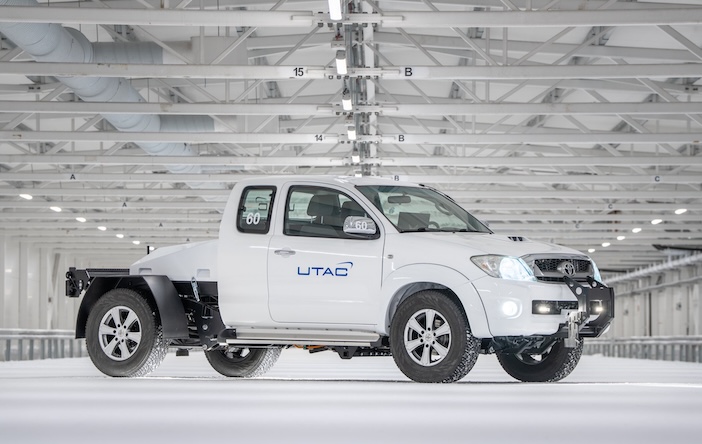
Further north, a new customised and fully electric spin traction truck has been introduced at UTAC’s facilities in Ivalo, Finland. This makes UTAC the first independent European provider to offer spin-traction testing in line with North American standards. The truck enables tyre certification and R&D testing year-round, with indoor and outdoor options in every season.
In Paris, France, a new tyre buffing machine has been installed to enhance tyre preparation for tests, and its acoustic tracks are being upgraded for enhanced NVH testing and validation.
Commenting on the global programme of investment, Connor McCormack, CEO of UTAC, says: “Innovation, agility and customer service have been the cornerstones of UTAC for over a century. As mobility transitions towards electrification, autonomy and sustainability, we are proud to invest in new capabilities that allow our clients to push the boundaries of technology. Our expanded global offering ensures UTAC remains the trusted partner for today’s industry leaders and tomorrow’s pioneers.”
Marco Marelli, freelance: “UTAC is over 100 years old and has updated itself to keep up with the times. Issues related to NVH are increasingly important, and the investments made in Paris on the NVH theme are strategic today. With the weight of EVs and their reduced tyre width, these cars require a lot of investment and knowledge to improve their NVH performance”
Runners up
- Toyota Arizona
- AstaZero
- Hyundai Square Campus
Toyota: Arizona Proving Grounds
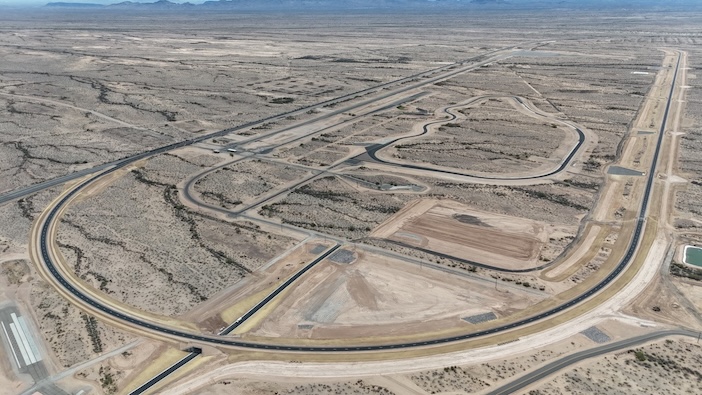
Toyota Motor North America has constructed new facilities for vehicle and technology testing at its Arizona Proving Grounds. The US$50 million project includes a new 5.5-mile oval track, an off-road park, and new ride and handling surfaces, among other improvements.
These additions to the facility, which covers approximately 11,650 acres and has 77 miles of testing surfaces, give it 60 miles of paved roads, more than 50 miles of off-road and dirt tracks, and two high-speed oval tracks. Toyota is also planning a facility for the development of ADAS technology.
AstaZero: 6G Edge-computing facility
The first 6G, Edge-computing facility has been opened at the AstaZero proving ground to “test the limits of traffic and vehicle communications”. The facility enables the testing of integrated, collaborative vehicle communication systems combining simulations and real-world scenarios.
Edge computing places processing and data storage closer to the devices generating data. For self-driving cars, this enables real-time responses without relying on distant data centres. Local processing improves bandwidth, latency, energy efficiency, privacy and reliability.
Tarcisio Dias, Mecânica Online: “AstaZero’s new 6G Edge-computing facility represents a breakthrough in communication-critical vehicle testing, achieving 99.999% reliability, supporting next-generation autonomous systems, and enabling real-time, collaborative sensor and V2X simulations. No other facility introduces such a fundamental leap for the future of vehicle dynamics and automated mobility.”
RISE says that this new facility’s communication capability is “a critical step forward in the journey for autonomous vehicles, industrial automation and connected societies, as it allows virtual objects and situations to be tested in scenarios limited solely by the engineer’s imagination and vehicle technology”.
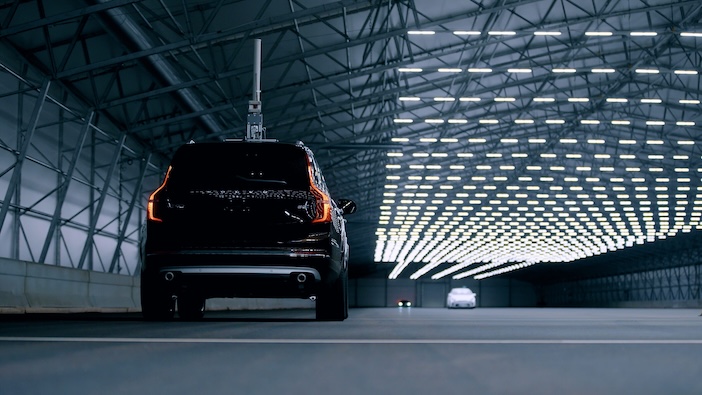
Hyundai Motor Group: Square Campus
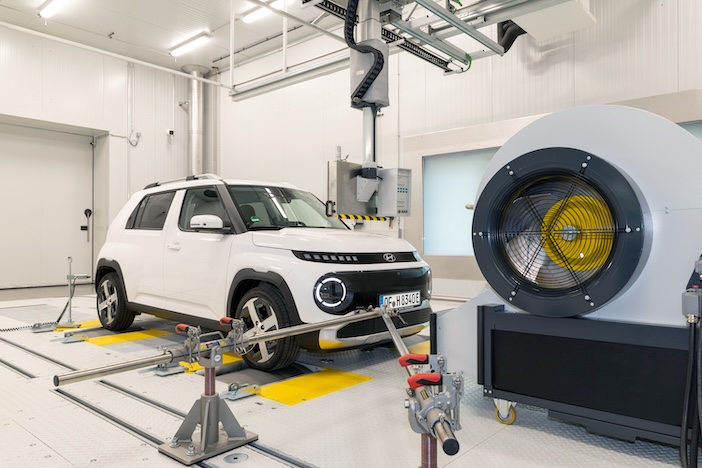
Square Campus is a new €150 million R&D facility at the Hyundai Motor Europe Technical Center (HMETC) in Germany. The Campus will be used for the development of innovative technologies, and will play a key role in the development and market share of future Hyundai, Kia and Genesis models in Europe.
For example, the 25,000m2 site features the largest semi-anechoic chamber within HMG, enabling unrestricted NVH and drive-by noise testing. The advanced dynamometer facilities at the Campus will also allow comprehensive testing of vehicles and individual components. The campus is also equipped with an EV charging laboratory, a state-of-the-art driving simulator, and facilities for electronics system development.