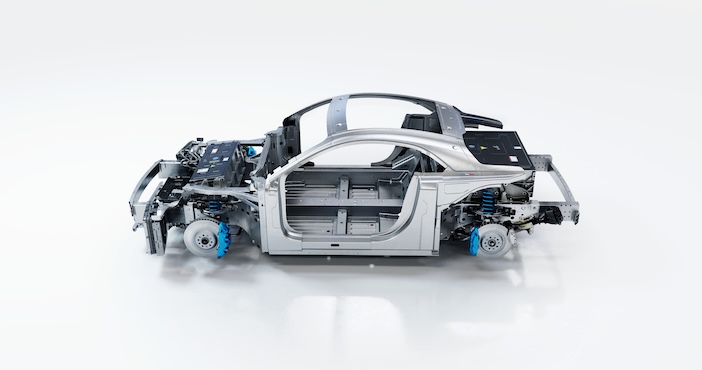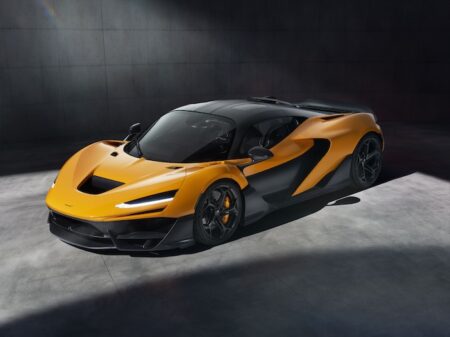


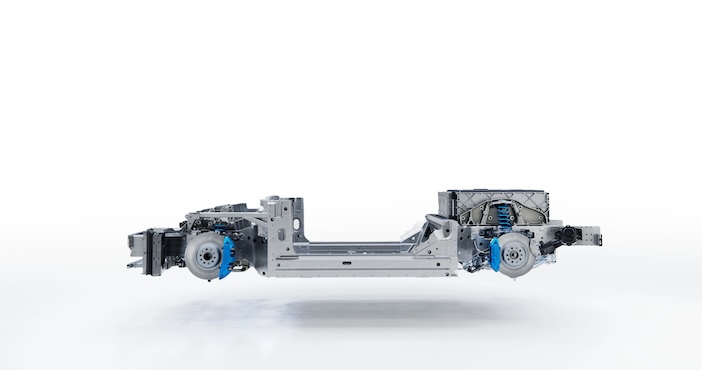
Alpine has confirmed development of a dedicated electric vehicle (EV) architecture, the Alpine Performance Platform (APP), which will underpin a new generation of sports cars including coupé, spider and 2+2 body styles, to be manufactured at the Manufacture Alpine Dieppe Jean Rédélé facility in France.
The APP uses an advanced aluminium architecture with bonded and riveted construction to achieve high stiffness and low weight. Two battery packs are integrated into the platform to maintain a 40/60 front-to-rear weight distribution, with 800V cell-to-pack battery technology and high energy density cells selected to reduce weight and charging time.
A new rear dual-motor three-in-one e-axle is being developed for the APP, featuring a silicon carbide (SiC) inverter for fast torque response. Two full-aluminium suspension assemblies, along with integrated braking and steering systems, complete the chassis package.
The platform’s central control system, the Alpine Dynamic Model (ADM) electronic control unit (ECU), manages battery functions, e-motors, brakes, steering and active aerodynamics from a single integrated unit.
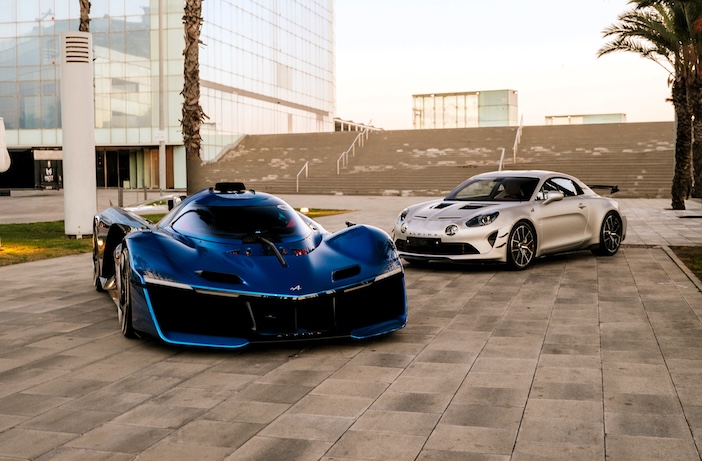
Alpine has also developed Alpine Active Torque Vectoring (AATV) for the platform. The system adjusts torque distribution between the left and right rear wheels every 10 milliseconds to optimise dynamic performance. The driver environment features a low-slung, Formula 1-inspired seating position with a near-vertical steering wheel and instrument placement prioritising visibility and accessibility.
Philippe Krief, CEO of Alpine, said, “Our ambition is to become the leading French sports speciality brand in the world, offering the best driver’s cars of the EV era. We will do this by constantly embracing new technologies and bonding them with Alpine’s DNA.”
The next-generation A110 and the APP will be developed and manufactured at Dieppe, the brand’s founding production site and the location where the current A110 has been built since Alpine’s relaunch in 2017. Alpine recorded 10,970 vehicle registrations last year, marking the first time it has exceeded 10,000 units annually.